
Solve problems in and around your home.
Start Problem Solver


Psyllid yellows and zebra chip is a bacterial disease of tomatoes, capsicums, tamarillos and potatoes. It is spread by the sap sucking psyllid insect pest.
 Identify the problem
 Psyllid yellows causes stunting and yellowing of the growing shoots of affected plants. In potatoes it also causes zebra chip which is an effect on the potato tubors such that when cooked the potatoes have dark stripes in the interior flesh.
Psyllid yellows disease is caused by the bacterium Liberibacter solanacearum. The bacterium is spread from plant to plant by the psyllid sap sucking insect pest. The only way currently available of controlling the disease is to control the psyllid insects.
 How to solve the problem
 Control of psyllid yellows is achieved through control of psyllid insects.
Avoid bringing infected plants into your garden. During winter remove all plants that could be host to infection. Inspect susceptible plants regularly for signs of infection or infestation with psyllids. Remove and dispose of any plants that show symptoms of infection.
Use Organic Insect Control with Pyrethrum to crop plants, paying particular attention to the underside of leaves where adults and nymphs live. Follow product instructions for use on crops carefully.
Inspect plants regularly for the presence of psyllids, so that treatments can be applied while numbers are low.
 Did you know?
Bacterial blast is also known as bacterial canker causes gummosis (weeping sap). It can seriously damage and kil…
Learn More
White cotton wool like fluffy 'growth' found on the bark and branches of certain trees and shrubs.
Learn More
Botrytis is fungal disease of ripe soft fruits including grapes, strawberries and tomatoes.
Learn More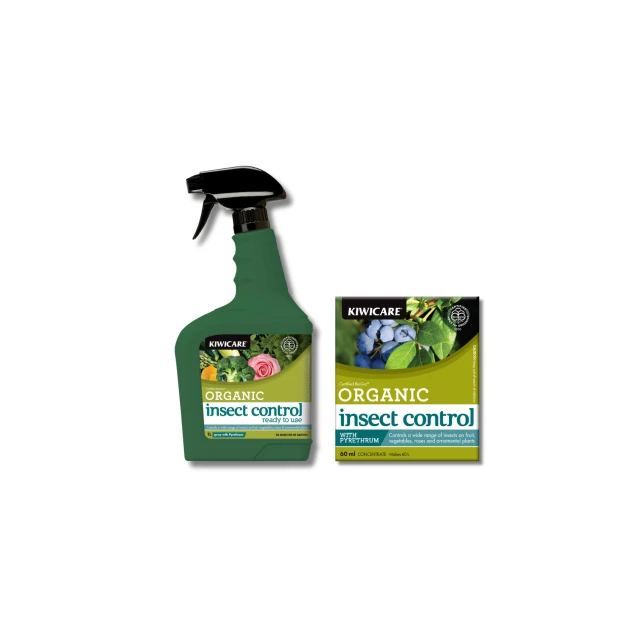
Fast–acting pyrethrum insecticide that controls a wide range of insects in gardens.
 My Favourites (
 My Kiwicare
  Email
Email  Print
Print 