
Solve problems in and around your home.
Start Problem Solver


Ants are social insects that can be a considerable nuisance when they enter the home or vehicle, as they can be tough to get rid of. Introduced species from overseas also pose a significant risk to our biodiversity.
 Identify the problem
 Ants are social insects that can form colonies of many thousands of individuals. Foraging worker ants will search for food and are often found in trails running into homes, particularly kitchens and larders where they find and contaminate food. Ants form nests in dry, warm, underground spaces outside, often below paving, concrete, driveways, stones etc. Occasionally the nest will be within the fabric of a building but this is less likely.
Flying Ants - Often referred to as alates or ants with wings are the female queens and male ants who grow wings, take the air for a nuptial flight to reproduce, and start new colonies. This happens in the form of swarms that can be of significant numbers. So it's best to treat flying ants as soon as possible Read more.
 How to solve the problem
 Ants can be extremely tricky to get rid of and with warmer, wetter weather becoming the norm, their populations are booming. The most effective way to control ants is to take a multi-pronged approach.Kiwicare's easy 1-2-3 Step Ant Control programme can help eliminate ants and keep them away.
For more tips and advice view the below:
 Did you know?
 The nests of some species will co-operate with other ant nests to form a super colony.
Ant colonies contain at least 3 castes (some have a fourth caste of soldier ants):
Queens > which are fertilised females that have taken flight, mated and then had their wings fall off.
Males > that have a short life span and often have wings to take part in nuptial flights with females that become queens
Workers > usually sterile females comprising the bulk of the colony.
Foraging workers that you may see out seeking food are usually only about 5% of the colony, so controlling the ants you see with insecticide is only temporary and should only be done after controlling the nest with baits.
Invasive ants such as Argentine ants are more than just a nuisance pest. They are also a threat to New Zealand's biodiversity as they attack and eliminate other insects and invertebrates when they move into a new area. We are at risk of bringing biting ants such as red imported fire ant into New Zealand. There have been three incursions of Fire Ants in New Zealand since 2001 but these have been successfully eradicated by MAF Biosecurity.
As nuisance pests ants can cause electrical and electronic faults when they get into equipment such as switch gear, exchanges and computers, they can contaminate food stuffs, and damage garden plants.
Ant colonies will often combine during Winter and separate again in Summer. During Midsummer - late Autumn, swarms of winged males and females of many species take off on nuptial flights. After their nuptials the ants fall to the ground, the males perish and the fertilised females, now queens, cast their wings and crawl off in search of locations for the establishment of new colonies. Ants evolved from early wasps and the similarity is most noticeable when the ants have wings.
Scientific names of important pest ants in New Zealand:
Darwin ant - Doleromyrma darwiniana
Argentine ant - Linepithema humile
White footed ant - Technomyrmex jocosus
Pharaohs ant - Monomorium pharaonis
 Helpful tips
 Stick masking tape on delicate surfaces and then apply bait onto the masking tape. This protects the surface and allows easy removal.
Some ants 'farm' aphids and scale insects for sweet secretions and it worth treating your plants with suitable garden insecticides to control these sap-sucking plant pests and deny the ants their food supply.
LawnPro Protect are useful in areas of garden where ants are a nuisance and as an additional barrier around a house or other building. The granules are sprinkled onto soil and gravel surfaces where ants are travelling and then watered in to take the insecticide deep into the soil, forming a curtain barrier.
More information on Darwin Ants, Argentine Ants and White Footed Ants.
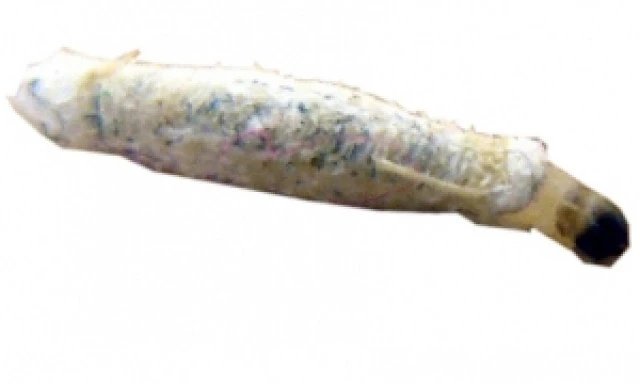
Case moth larvae destroy carpet and other fibrous material using it to cover themselves in a protective case of …
Learn More
Burnt Pine Beetle is a member of the longhorn group of beetles that tend to be elongate and with long antennae. …
Learn More
Desjardin's beetles are often found among flaxes and palms and can be attracted indoors by lights at night. Some…
Learn More
For effective control of ant colonies and nests. A sugar–based liquid bait perfect for sugar feeding ants.

For control of ant numbers and nests with a high protein gel bait.

For easy and effective control of ants indoors and outdoors. Bait stations come with a liquid bait effective for…

"I would just like to say that we are just so happy with the response we have got from your product. This is certainly no fabricated story, we have been absolutely plagued with the ants and so thrilled to have had such wonderful success in the eradication of them. It is so easy to complain when things don't work to ones satisfaction, and often compliments are not given when they are due. Felt that I just wanted to share a success story and how pleased we are with your product and of the incredible response we have had."
Shanie
 My Favourites (
 My Kiwicare
  Email
Email  Print
Print 