• Contact Us
  • Garden Advice
  • Stockists
  • Company
  • Home
      • Garden
      • Pest
  • Problem Solver
  • Products
  • Pests
  • Diseases
  • Weeds
  • Garden Health
  • Organics
 
close

Go to product page
Garden Guy

Garden Guy

These products help deal with vine hopper

carbaryl insect control /assets/Uploads/Packshots/_resampled/SetWidth120-Carbaryl-Insect-Control-100g.png

Benefits

  • Broad spectrum insecticide for control of chewing and sucking insects.
  • For use on a wide variety of roses, ornamentals, vegetables and fruit trees.
  • 1 day withholding period on most crops. No withholding for tomatoes.
  • Can also be used to control wasps and for fruit thinning.
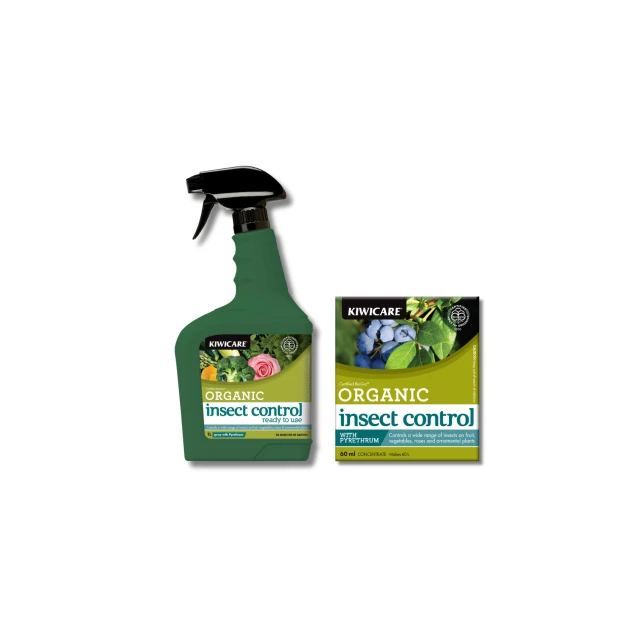
organic insect control /assets/Uploads/Packshots/_resampled/SetWidth120-ORGANIC-Insect-Control-Carton.png

Benefits

  • Fast acting control of a wide range of insect pests.
  • For use on fruit, vegetables, roses and ornamentals.
  • Natural pyrethrum insecticide.
  • BioGro® Certified Organic for use in organic gardening.
  • 1 day withholding period.
organic super spraying oil /assets/Uploads/Packshots/_resampled/SetWidth120-ORGANIC-super-spraying-oil-500ml-Conc.png

Benefits

  • A natural alternative to control a wide range of insect pests.
  • For use on roses, fruit trees, citrus and ornamentals.
  • No withholding period.
  • BioGro® Certified Organic for use in organic gardening.
  • Controls sap sucking insects that spread diseases.
super spectrum /assets/Uploads/Packshots/_resampled/SetWidth120-Super-Spectrum-Custom.png

Benefits

  • Fast acting, systemic disease control and contact insect pest control.
  • For use on roses, ornamentals and fruits crops.
  • Curative and preventative.
  • No leaf burn or marking.
  • 5 pre measured sachets per pack - each pack makes 25 litres of spray.

vine hopper

Garden » Pests » vine hopper

vine hopper

Vine hoppers and other leaf hoppers are sap sucking insects that will feed on a variety of plants, not just vines. The honeydew that they produce can encourage sooty moulds.

How to About Did you know Related articles Gallery

HOW TO CONTROL VINE HOPPER

To get rid of vine hoppers follow these steps:

Control of passion vine hopper and other hoppers is best achieved when the insects are in the immature nymphal stages, November to March.

Kiwicare SUPER SPECTRUM is a systemic insecticide and fungicide that would control these insect pests as they feed on treated plants and the sooty mould.

If you do not wish to use insecticides you could use ORGANIC SUPER SPRAYING OIL and spray the insects directly. This works by physically blocking the insect’s spiracles (breathing holes) and suffocating them. This would be best done before the nymphs reach maturity and grow wings. Once adults they tend to fly off in clouds as soon as disturbed and they will be difficult to spray with the oil the nymphs can be difficult to spray also, because of their hopping habits.

Other options would be CARBARYL INSECT CONTROL or ORGANIC INSECT CONTROL pyrethrum which can be used on fruit and vegetables that might be attacked. There is only a 1 day withholding period with these control options.

About

The nymph passion vine hoppers are tiny wingless insects with white fluffy tails that are raised above their bodies like peacock tails. The nymphs and winged adults can jump (hop) when disturbed.

From late January on the nymphs go through their final molt and change into the small brown adults that look like small smooth winged moths that are often seen in a queue like line on the stems of plants. The adults will be be active through to autumn laying eggs in small branches of their target plants. As they withdraw their ovipositor (egg laying tube) they pull out small white tufts of plant material which show up as white dots on your plants.

Did you know

A similar insect is the nymph of the green plant hopper, however the nymphs of the green plant hopper keep their fluffy tails straight back rather than up in the air as the passion vine hopper does. The green plant hopper nymph body is pale green rather than the passion vine hopper white.

The nymphs and adults suck sap and produce a sticky honeydew that can cover leaves and encourage growth of sooty moulds. If the honey dew is produced from sucking the sap of tutu shrub and bees collect the honey dew the honey they produce can be poisonous.

The common species of vine hopper in New Zealand are the Passion vine hopper - Scolypopa australis


Related articles

  • Know Your Garden Insect Pests

Gallery

The nymph vine hoppers are tiny wingless insects with white fluffy tails that are raised above their bodies like peacock tails. The nymphs and winged adults can jump (hop) when disturbed. Passion vine hopper nymphs with fluffy white upright tails. They hop and try to fly when nearly adult.

About Kiwicare

We are Kiwis providing expert local solutions that keep your place pest free and your garden healthy.

Pest

Pest home Pest Problem Solver Pest Control Products Pests Pest Advice

Company

About News Products Vacancies Useful Links Contact
Proudly made in NZ

© 2011 Kiwicare