
Solve problems in and around your home.
Start Problem Solver


Wireworm are soil dwelling insect larvae that damage roots of grasses and tubers of vegetables and other plants.
 Identify the problem
 Wireworm (click beetle larvae) attack many plants. Worst affected are lawn grasses, potatoes, wheat, maize, brassicas and root vegetables in the home garden. They are also often found in rotting wood. Damage is caused to newly planted seedlings which often wilt and die after been attacked. Holes are eaten at the base of plants, below soil level and roots chewed. Damage often allows fungal and bacterial diseases to infect the plants through the damaged tissue.
 How to solve the problem
 To Get Rid of Wireworm:
Prevention
To prevent wireworm it is recommended that damaged plants and vegetables are disposed of and crops are rotated for the following year to reduce the likelihood of future infestations. It may also be advisable to carry out a preventative treatment with LawnPro Protect prior to planting.
If the wireworm are in your potatoes or other crops you should consider the following:
 Did you know?
  Helpful tips
 Wireworm prevention in vegetable plots:

The armyworm is an invasive pest species in New Zealand. They can decimate garden lawns and vegetable patches in…
Learn More
Red clover mites are often found crawling up the exterior surfaces of houses and other buildings. They are usual…
Learn More
Spider mites are very tiny, usually red, bugs that damage leaves causing yellow speckles.
Learn More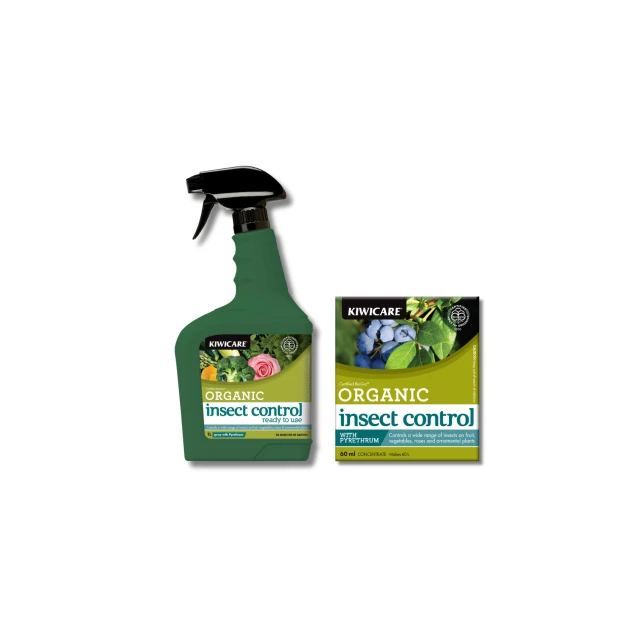
Fast–acting pyrethrum insecticide that controls a wide range of insects in gardens.
 My Favourites (
 My Kiwicare
  Email
Email  Print
Print 