Skip navigation
Kiwicare - Protect your patch

Fleas

Adult flea (1-2mm)Fleas are more than a nuisance they are a very real health hazard as they are vectors of many diseases including bubonic plague, salmonella, tape worm, typhus and other fevers.

There are fleas specific to most mammals including humans. However, human fleas are rare in New Zealand and it is more often cat, dog or bird fleas that are responsible for infestations in our homes. Cat fleas are most commonly associated with biting humans. They will prefer to feed on the blood of cats but if there are a lot of fleas or the normal cat hosts have been removed they will readily bite humans.

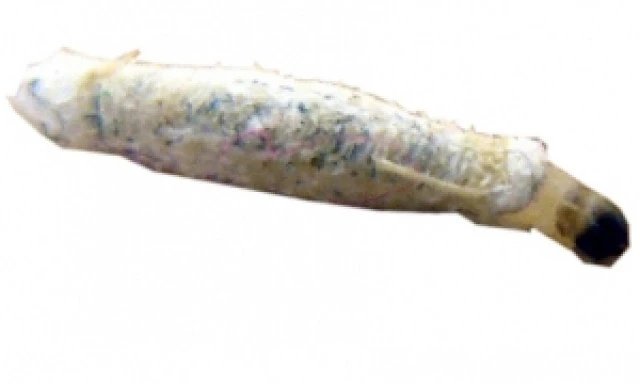
The female lays several hundred eggs in her lifetime. These are laid just a few at a time onto host animals, very quickly falling off into dust, bedding, carpets or upholstery. They rest for 2 - 10 days before emerging as eyeless, legless worm-like larvae with 13 body segments and chewing mouth parts.

The larvae feed on dust and other detritus found in carpets and bedding around where the host (human or pet) lives. It will pupate and then lie dormant until it detects the presence of a host by heat and vibrations. The adult will then quickly emerge and hop onto the host where it will begin to feed by biting and sucking blood.

Once the adult flea has finished feeding on its blood meal it will drop off the host and find a place to hide until it is hungry again. They usually hide in bedding areas. Adult fleas spend more time off the host than on, this is one reason treatment of the host's living areas are as important as treating the animal.

More information on fleas.....

How to get rid of fleas

Almost all flea infestations are associated with pets, birds or other animals. Cat fleas are the most likely to bite humans.

  1. Vacuum? Vacuuming before treatment is advised by some pest control experts as it will 'activate' pupae so that the adults can be treated. However, the adults first action will be to try and find a food source. The food source is likely to be you. To prevent bites we recommend leaving the vacuuming stage until 5-7 days after treatment.
  2. Treat your pets – Flea control products can be obtained from your veterinarian or from pet supplies stores. If you have no pets check for other animals living around your house, such as birds in the eaves or cats under the floor. Animal flea treatments normally kill and/or sterilise the adult fleas when the fleas suck the blood of the treated animal.
  3. For a quick knockdown of flea numbers use NO Bugs Bug Bombs (Flea Bomb).
  4. Spray pet bedding areas and places where fleas have been detected with NO Fleas Total. This product will kill adult fleas and larvae that contact the treated areas. It also contains a growth regulator that stops development of fleas and terminating their life cycle.
  5. Following treatment carefully collect all bedding from the room and place in a plastic bag for transport to your washing machine, being careful to make sure no insects are dropped on the way. If possible wash the clothes in a hot wash.
  6. After 5-7 days - Vacuum – Thoroughly vacuum dust and other detritus from all areas. This will remove dead fleas, larvae and eggs and also remove the food that the larvae need to develop. It will also 'activate' remaining pupae and the hatched adults will contact the treated surfaces to be killed. Be sure to dispose of the vacuum bag immediately afterwards, by sealing in a plastic bag and placing in the waste bin outside.
  7. Spray again with NO Fleas Total to protect from further infestation.
  8. Be sure to keep your pet's flea control up to date. This will help to prevent re-infestation. Regular vacuuming removes the detritus that flea larvae would feed on and help to reduce the risk of future infestation.

Testimonial - Fleas and flies with a NO Bugs Bug Bomb

NO FLEAS TOTAL CONCENTRATE

NO Fleas Total is the complete solution for Flea control.  This product breaks the Flea breeding cycle by killing adult fleas, flea eggs and flea larvae. Any female fleas that have come in contact with NO Fleas Total, but not yet died will only lay sterile eggs.  NO Fleas Total provides indoor control of fleas for up to 4 months. Dilute with water to make a cost effective, easy to use spray.

More information…..

NO FLEAS TOTAL READY TO USE SPRAY

The Trigger pack has all the benefits of No Fleas concentrate but requires no mixing and is ready to use. Ideal to have on hand for ‘spot infestations’

More information…..

NO BUGS BUG BOMB (Flea bomb)

Use this product for a quick knockdown of insects such as, Borer on the wing, Silverfish, Weevils, Moths, Fleas, Flies, present in the room at the time of release.  To maintain a bug free environment use No Bugs Bug Bomb in conjunction with the appropriate long term treatment such as Kiwicare No Bugs Super, No Borer or No Fleas Total.

More information…..


Life cycle

During the larvae stage there are 3 instars (see here for definition) of 7 days to several months duration, before the pupa stage is reached.

The complete metamorphosis cycle can be as short as 16 days, or up to a year or more in adverse conditions:

  • Eggs to Larva 2 - 10 days
  • Larva to Pupa 7 - 60 days
  • Pupa to Adult 7 - 365 days

Classroom Clips

  • "INSTAR" is a stage of insect development where the old skin or shell splits and drops off, allowing the insect to grow and the new shell to form.
  • Fleas can jump 25 times their own length vertically, 50 times their own length horizontally, i.e. the equivalent of a 2 metre tall person jumping 50 metres high or 100 metres long.
  • Females are larger than males and live much longer.
  • Adult fleas are ready for mating within 24 hours of emerging from pupae stage.
  • Females require a feed of blood before they can produce eggs.
  • Well over 1000 species of flea are recorded. Only 27 species are present in New Zealand.
  • Fleas have 3 pairs of legs and are covered in spines which project backwards.
  • Fleas feed on blood or dead skin and often on the remains of their own kind.
  • Human fleas can live for as long as 20 months without a feed of blood.
  • Cat and dog fleas breed continuously for several months. Some other species breed only once.
  • Dormant pupae can be activated by heat or vibrations (signs of host animals).
  • Main problem months for flea activity in New Zealand are December through March.
  • Metamorphosis is the change in form in insects.
Links Referenced
More information on fleas.....
#more
NO Bugs Bug Bombs (Flea Bomb)
http://www.kiwicare.co.nz/index.cfm/1,77,0,0,html/No-Bugs-Bug-Bomb
NO Fleas Total
http://www.kiwicare.co.nz/index.cfm/1,50,0,0,html/NO-Fleas-Total-Concentrate
Testimonial - Fleas and flies with a NO Bugs Bug Bomb
http://www.kiwicare.co.nz/index.cfm/1,191,0,0,html/Testimonials#bomb
More information…..
http://www.kiwicare.co.nz/index.cfm/1,50,0,0,html/NO-Fleas-Total-Concentrate
More information…..
http://www.kiwicare.co.nz/index.cfm/1,51,0,0,html/NO-Fleas-Total-Ready-to-Use-Trigger-Spray
More information…..
http://www.kiwicare.co.nz/index.cfm/1,49,0,0,html/NO-Bugs-Bug-Bomb
Location

http://www.kiwicare.co.nz/index.cfm/1,20,0,0,html


Back to top

No Fleas TotalNo Fleas Total Concentrate 
NO Bugs Bug Bomb - Flea Bomb  
content footer