
Solve problems in and around your home.
Start Problem Solver


Argentine Ants, pose particular difficulties but can be controlled by following the plan below. Different species of ant are more or less susceptible to this standard treatment and some may be difficult to eradicate.
 Identify the problem
 How to identify Argentine Ants
Because they are so small, the best way to tell Argentine ants from other ants is by their colour, trails and lack of smell when squashed. The wingless worker ant (most commonly seen) is light to dark honey brown and 2-3mm long (most other common household ants in NZ are black). Argentine ants are highly active in searching for food. Their trails are often five or more ants wide and can travel up trees and buildings. Most other species of ants in NZ don't tend to climb trees (White Footed Ant being an exception), and would not have such strong trails unless they were moving a nest (in which case you would see ants carrying their eggs). Argentine ants look very similar to another pest species called Darwin Ants. However, if you squash an Argentine ant there is no strong formic acid smell as there is with some other ants including Darwin Ants.
Where have they been found?
Argentine Ants were first found in Auckland in 1990, more recently they have been found in Northland, Waikato, Bay of Plenty, Hawke's Bay, Wellington, Nelson, Blenheim and Christchurch. Although they breed prolifically they do not swarm (fly off to establish new nests). This means they do not spread very rapidly (except when foraging queens are carried in boxes, pot plants, vehicles etc.). But when a site is infested it will have a very high number of ants and colonies. Their natural rate of invasion is a few hundred metres per year. However, their main way of spreading into new areas is via transported nests and/or queens, which often happens when plants or other garden materials are moved. The foraging queen ants and workers may also be transported in vehicles. Argentine ants seldom or never disperse in winged form.
Why are they a threat to NZ?
Left unchecked Argentine ants will become a major household and garden pest. Their huge numbers (up to six nests per square metre) mean a huge appetite and they will utilise just about any food source they can find. They have even been known to make their way into refrigerators, microwaves and screw top jars! In California they are considered to be one of the worst household pests.
Argentine ants threaten native invertebrates as they are very aggressive and killing and driving off other insects. They climb trees and can kill baby birds in the nest. They are also active foragers and compete with other species that feed on honeydew or nectar such as insects and birds.
Argentine ants 'farm' populations of aphids, scale insects and other pests that produce honeydew. The Ants protect the sap sucking insects from predators and will even move them to new plants or to new parts of the plant. This is a particularly serious threat to organic grower and those growers using integrated pest management, who rely on predators to control these pests. Argentine ants have also been reported to feed directly on fruit crops and their mass numbers can damage flowers thereby reducing fruit set. They are one of the worst citrus pests in Australia, and a serious pest of viticulture, avocado and tomato crops.
 How to solve the problem
 To get rid of Argentine Ants carry out the Kiwicare 1-2-3 Bait-Barrier-Destroy program.
 Did you know?
  Helpful tips
 Tips for controlling Argentine ants around your home
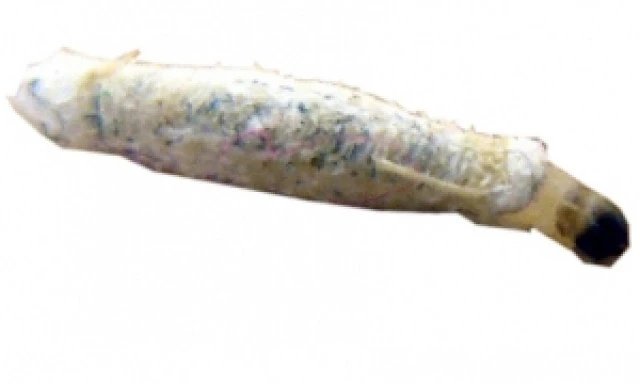
Case moth larvae destroy carpet and other fibrous material using it to cover themselves in a protective case of …
Learn More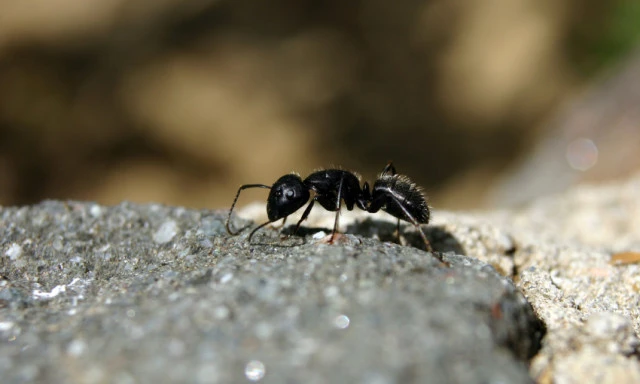
Ants are social insects that can be a considerable nuisance when they enter the home or vehicle, as they can be …
Learn More
Burnt Pine Beetle is a member of the longhorn group of beetles that tend to be elongate and with long antennae. …
Learn More
For effective control of ant colonies and nests. A sugar–based liquid bait perfect for sugar feeding ants.

For control of ant numbers and nests with a high protein gel bait.

For easy and effective control of ants indoors and outdoors. Bait stations come with a liquid bait effective for…

"Had Argentine ants in our motorhome for 6 months, tried just about everything to remove them however we brought NO Ants Gel with bait stations, placed bait stations around van plus a few baits directly here and there , within 7 days a total wipeout, waited for more to appear but yes the ants have been completely wiped out, Great Product"
Keith, Taranaki
 My Favourites (
 My Kiwicare
  Email
Email  Print
Print 