
Solve problems in and around your home.
Start Problem Solver


Silverfish and firebrats damage paper such as wallpaper and books and are a common nuisance pest in larders, kitchens and bathrooms. They prefer warm, dark, damp areas.
 Identify the problem
 Silverfish and firebrats are insects of a primitive type; flat, wingless, grey in colour with three tail like appendages at the end of the abdomen. Tey are often referred to as bristletails. Firebrats tend to be a mottled gray/brown color with patches of dark gray and lighter silver over the upper surface of the body. Silverfish tend to be uniformly gray or silver in color.
Silverfish and firebrats are nocturnal and very active at night. They run rapidly and their style of movement resembles that of a swimming fish, hence the name silverfish.
Feeding on carbohydrates, they can be particularly destructive to anything containing starch. Their diet includes paste, sizing, book bindings, glucose, flour, cereals, glue, starch, papers and fabrics. They can be damaging to books and wallpapers but they are most disliked for their habits of scurrying across carpets and dropping out of ceilings.
 How to solve the problem
 To get rid of silverfish and firebrats follow these simple steps:
 Did you know?
 They prefer warm damp conditions and can be found in kitchens, bathrooms, cylinder cupboards and libraries. There are similar insects known as firebrats and bristle tails that have the same shape but are a darker brown colour. Firebrats have similar habits to silverfish.
Silverfish and firebrats are hardy creatures and can live for several months without food. Their natural habitat is in soil, and under stones in the garden but they are particularly fond of insulated ceilings when they move indoors.
Silverfish do not go through metamorphosis*, they go straight from eggs to nymphs. Their mouth parts are formed for chewing and they have up to 13 body segments and 3 pairs of legs. Active all year round, they breed mainly in the spring and summer. The number of eggs laid varies greatly, and they are laid progressively and indiscriminately. Full development can take up to 4 years or more, during which time the nymphs moult and grow many times. An unusual feature of silverfish is that the female becomes sexually mature and lays eggs long before she has ceased to moult and grow. Silverfish are not normally regarded as vectors of disease although they are well known for frequenting drains and ducting.
*Metamorphosis:
There are four general methods of metamorphosis in insects, namely:
 Helpful tips
Biscuit beetles, also known as drugstore beetles, and other insect pests of pantries damage food stuffs and pack…
Learn More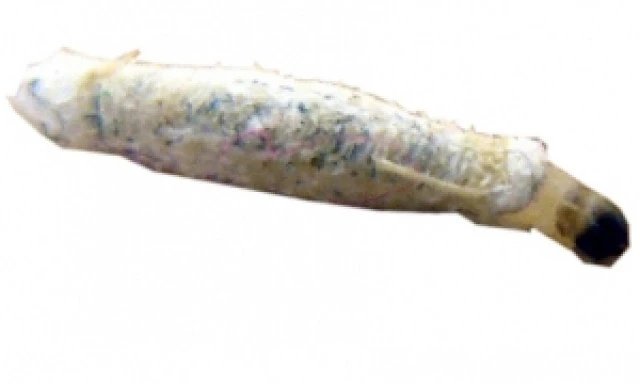
Case moth larvae destroy carpet and other fibrous material using it to cover themselves in a protective case of …
Learn More
Carpet beetle larvae, known as woolly bears, destroy wool carpet and other natural fibres.
Learn More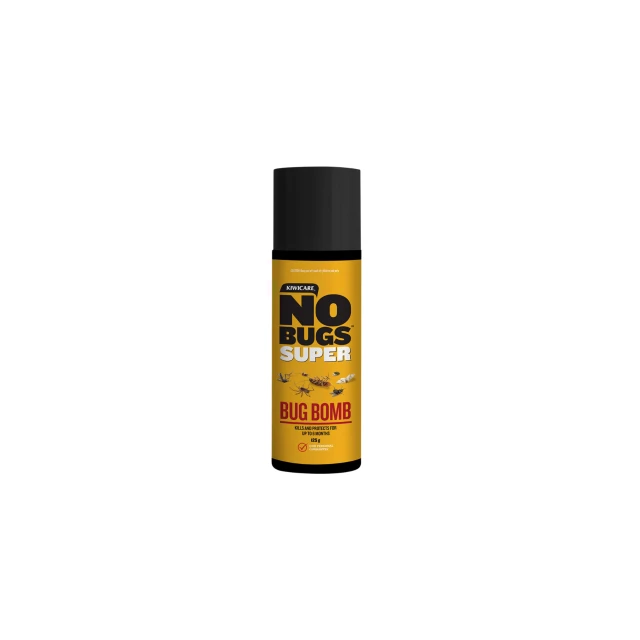
A long–lasting bug bomb that drives bugs out and kills any bugs that come into contact.

This aerosol provides protection from crawling insect pests by repelling them, rapidly knocking them down and ki…

Get safer indoor bug control and long–term protection against crawling and flying insects.
 My Favourites (
 My Kiwicare
  Email
Email  Print
Print 