My Favourites (
 My Kiwicare

 Email
 Print
An Easy DIY Fly Control Programme
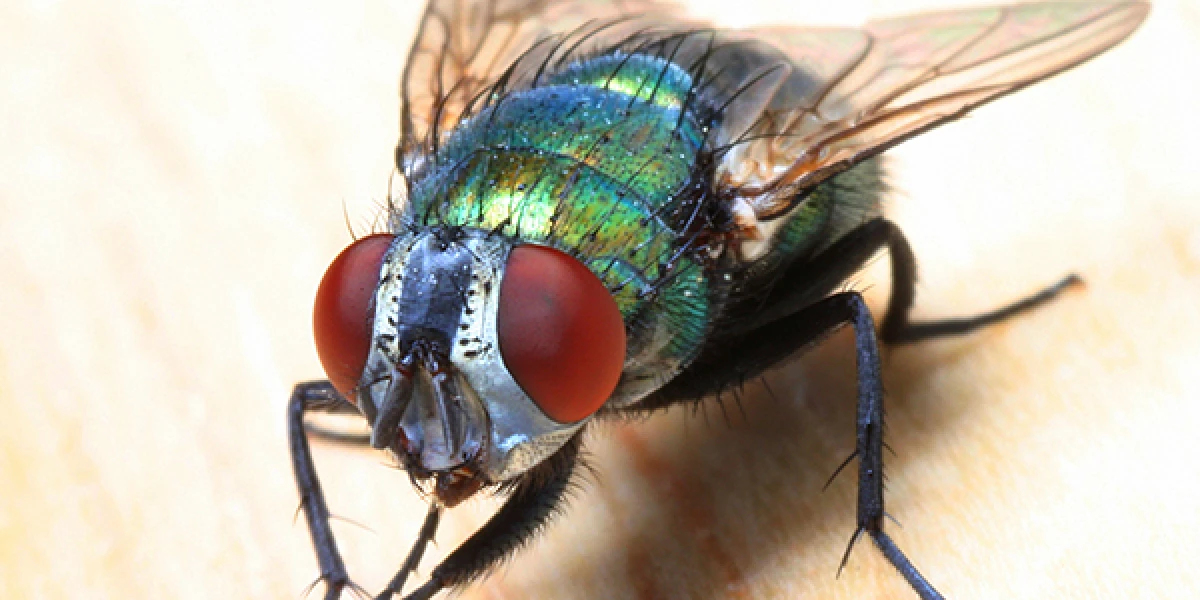
Flies can be a major nuisance around homes and businesses, especially during the warmer months. They contaminate food, leave unsightly marks on surfaces, and can quickly become a persistent problem if left unchecked.
A successful fly control programme doesn't rely on just one solution. The best results come from combining good hygiene, removing breeding sites, preventing entry, and using insect control products where needed.
The good news is this easy DIY fly control programme can help you have a fly free summer.
Kiwicare's 1-2-3 Step DIY Fly Control Programme
- Step 1: Search for and remove fly breeding sites
The most important step in preventing and controlling flies is eliminating breeding sites. Identify where flies are breeding, then clean and treat the area. Remove any waste and dispose of it in bins with tightly fitting lids. House flies can complete their life cycle in as little as 10 days. This means a small fly problem can quickly become a large infestation.
To interrupt the breeding cycle:
- Inspect potential breeding areas at least twice each week.
- Remove food and moisture sources.
- Clean bins and waste areas regularly.
- Store rubbish away from doors and windows.
- Keep outdoor waste areas tidy.
The cleaner the environment, the fewer opportunities flies have to reproduce.
Common fly breeding sites to check and clear
- House flies, are New Zealand’s most common fly. They breed in rubbish, pet bedding, mulch, and grass clippings, and are especially common around livestock.
- Blow flies breed in decaying meat and animal waste. Uncovered rubbish, pet faeces, roadkill, and farms are common breeding sites.
- Cluster flies gather in large numbers in warm, dry areas such as roof voids, attics, and sheds. They breed in lawns and pastures where they can feed on earthworms.
- Horseflies breed in grass and vegetation.
- Drain flies breed in the organic matter that builds up inside drains and sewer pipes.
- Step 2: Destroy and protect
For fast knockdown of existing flies, spray them with NO Flies Super Odourless. This helps control the immediate problem. It’s particularly useful when lazy flies are hovering in the middle of a room or in darker corners mistaking the still air and shade for tree cover and a safe area to breed.
Keep flies and other flying pests at bay by installing the NO Flies Automatic System or Insect Guard Fly Control System for continuous room-wide protection. These systems spritz the air at regular intervals keeping a steady presence that discourages flies and other insects from entering the area.
- Step 3: Barrier
For longer term protection from flies and other insects spray NO Bugs Super Protective Barrier around the outside of the building. This creates a protective barrier on surfaces flies may land on e.g. exterior walls, window frames and windowsills, door frames, pergolas and entertainment areas. Don’t forget to treat outdoor bins where flies congregate and breed.
Keep doors and windows closed when practical. Installing fine mesh fly screens on doors and windows or using plastic strip curtains or chain curtains in commercial premises is another effective way to create barriers that prevent flies from entering a property.
Contolling adult flies
Choose a still day with a forecast of dry conditions for the next 6 hours. Apply NO Bugs Super as a coarse mist to exterior walls, window frames, door frames, pergolas and other fly alighting surfaces.
Note: Pyrethroids are broken down by UV light and have a shorter life in bright sunlight so a second spray in such areas will increase efficacy. NO Bugs Super is formulated to resist breakdown by UV light. Also, pyrethrins are slower to work in higher temperatures; so on warm days, the flies may take longer to die after contact.
Application tips:
- Porous surfaces that absorb the spray may require a second treatment once the first one has dried completely.
- Do not overspray walls. Avoid spraying to point where liquid spray runs down the wall. If spray beads and runs, spray more lightly and repeat after the first spray has dried.
Controlling larvae and eggs
Remove pet bedding, clean away any waste then treat the area with NO Bugs Super. After two hours, new clean pet bedding can be replaced and pets can be allowed back into the area.
Killing flies and keeping them away
Insecticides play a key part of any fly pest control program. They can be used to target flies and their lava both indoors and outdoors (a combined approach will get the best results). They help get control of problem quickly and when used in tandem with breeding site control interupt the breeding cycle to help prevent further population growth.
Additional tips for effective fly control
- Flies are attracted to food and food waste, so keep kitchens clean and free from scraps. Empty kitchen bins regularly, ensure lids fit tightly, and remove overripe fruit from fruit bowls promptly.
- Keep outdoor rubbish and compost bins clean and well maintained. Position them away from buildings, doors, and windows and treat them with NO Bugs Super Protective Barrier to prevent breeding.
- Clean pet food bowls daily and avoid leaving pet food out for extended periods. Remove animal waste promptly and dispose of it in sealed bins with tight-fitting lids.
- Put away food and drinks immediately after use and wash dishes promptly. Wipe up food crumbs and spills, especially sugary drinks, wine, cider, and beer, which can attract flies.
- Rinse bottles and cans before placing them in recycling bins. Keep recycling bins clean and ensure they have secure, tight-fitting lids.
- Collect and dispose of dead slugs and snails from the garden, as they can attract flies and other pests.
- For homes with persistent fly problems, improving airflow with fans can also help discourage flies from settling indoors.
In summary
Effective fly control takes a multi-pronged approach; no single action alone will resolve the problem effectively. Proper animal waste and rubbish management and good animal housing sanitation must be included in a fly control program. The cleaner your surroundings are, the less chance there is for flies to breed and pester you.