Solve problems in and around your home.
Start Problem Solver


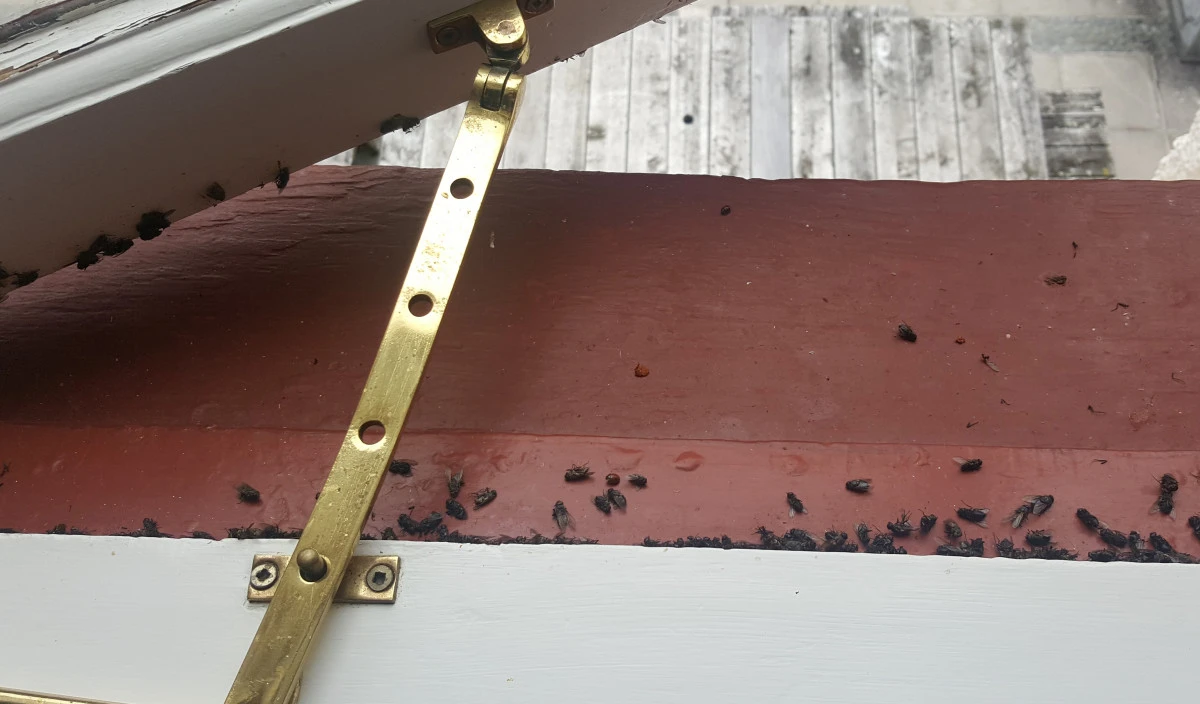
Cluster flies are dull black flies that in autumn cluster together in large numbers in dark dry places like attics to survive winter.
 Identify the problem
 Cluster flies are medium to large (8-15mm) 'dopey' flies, with a dark gray to black non-metallic abdomen. The eyes of the most common cluster fly (Pollenia rudis) are a deep red. The larvae of the fly feeds on earthworms in grass pasture or lawn areas, then in late autumn and early winter the adult flies will move into homes and other buildings to hibernate over winter.
They are named cluster flies because of their habit of congregating in large groups or swarms in dark places such as attics, corners of dark rooms, 'nooks and crannies' and 'cracks and crevices'. Each fly releases a pheromone (smell) that attracts others. This pheromone will linger on even after all the flies have been destroyed and removed and thus will continue to attract cluster flies to that area so that the clusters keep recurring. It is therefore important that treatments are continued even when there are no flies present.
The flies congregate to survive through the winter and once warmer weather arrives in spring they emerge from their 'hibernation' to lay eggs on surrounding grassland, pasture and lawns. The larvae that hatch from the eggs bore into earthworms, where they feed, eventually killing the worms before pupating and emerging as adult flies. The flies go though as many as five life cycles through a summer before the last generation of the season looks for somewhere dark, warm and dry to hibernate.
 How to solve the problem
 To get rid of cluster flies follow these steps:
 Did you know?
  Helpful tips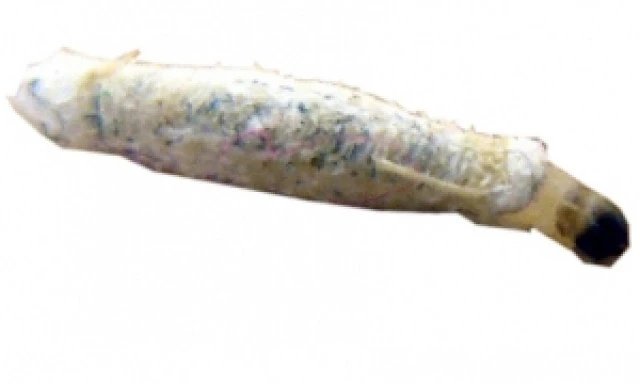
Case moth larvae destroy carpet and other fibrous material using it to cover themselves in a protective case of …
Learn More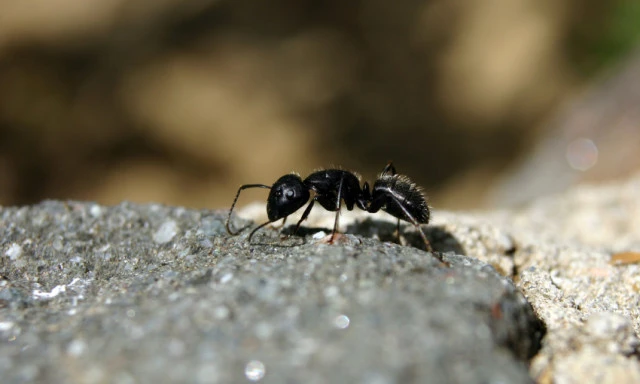
Ants are social insects that can be a considerable nuisance when they enter the home or vehicle, as they can be …
Learn More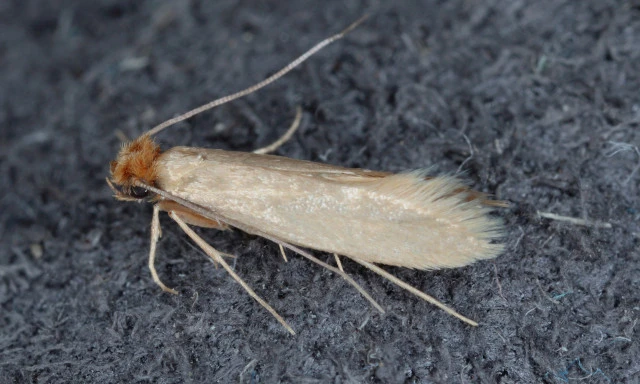
Have you found unexplained holes in your favourite woollen sweater? This may indicate an infestation of clothes …
Learn More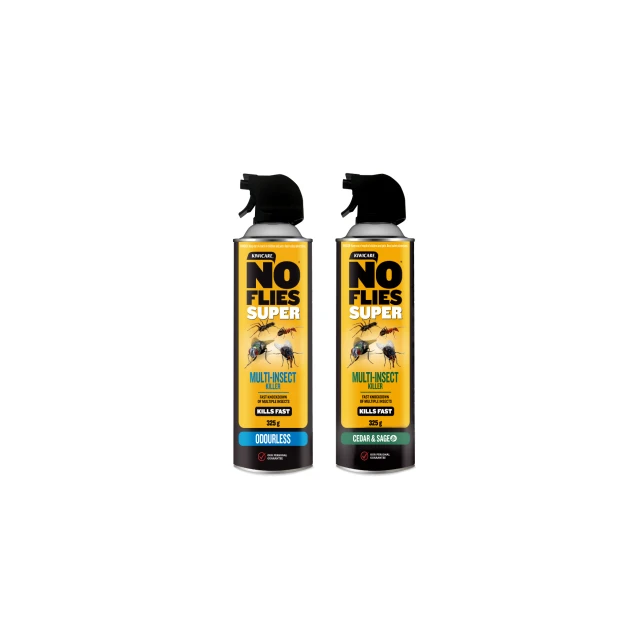
An odourless or scented multi–insect killer spray to effectively control and knockdown flying and crawling insec…
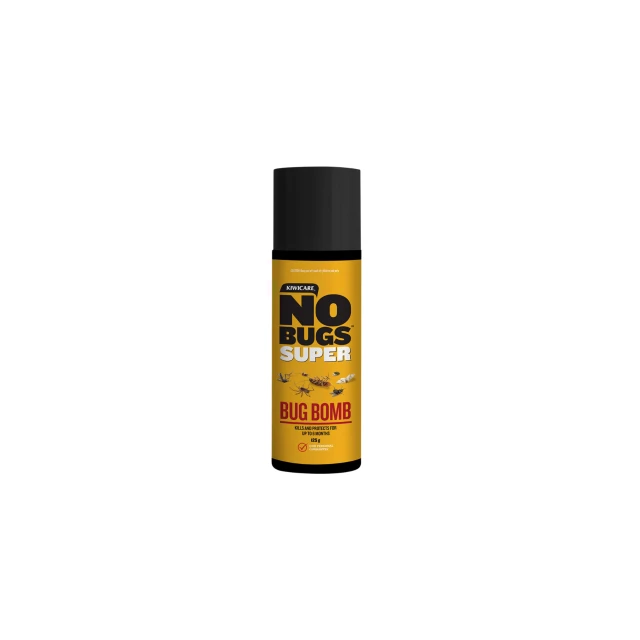
A long–lasting bug bomb that drives bugs out and kills any bugs that come into contact.
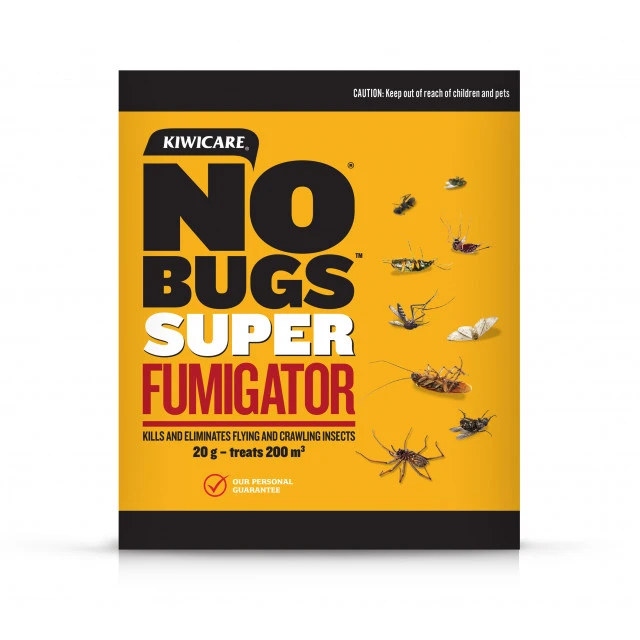
Kill and eliminate flying and crawling insects with a fast and effective knockdown of a wide range of bugs.
 My Favourites (
 My Kiwicare
  Email
Email  Print
Print