Solve problems in and around your home.
Start Problem Solver


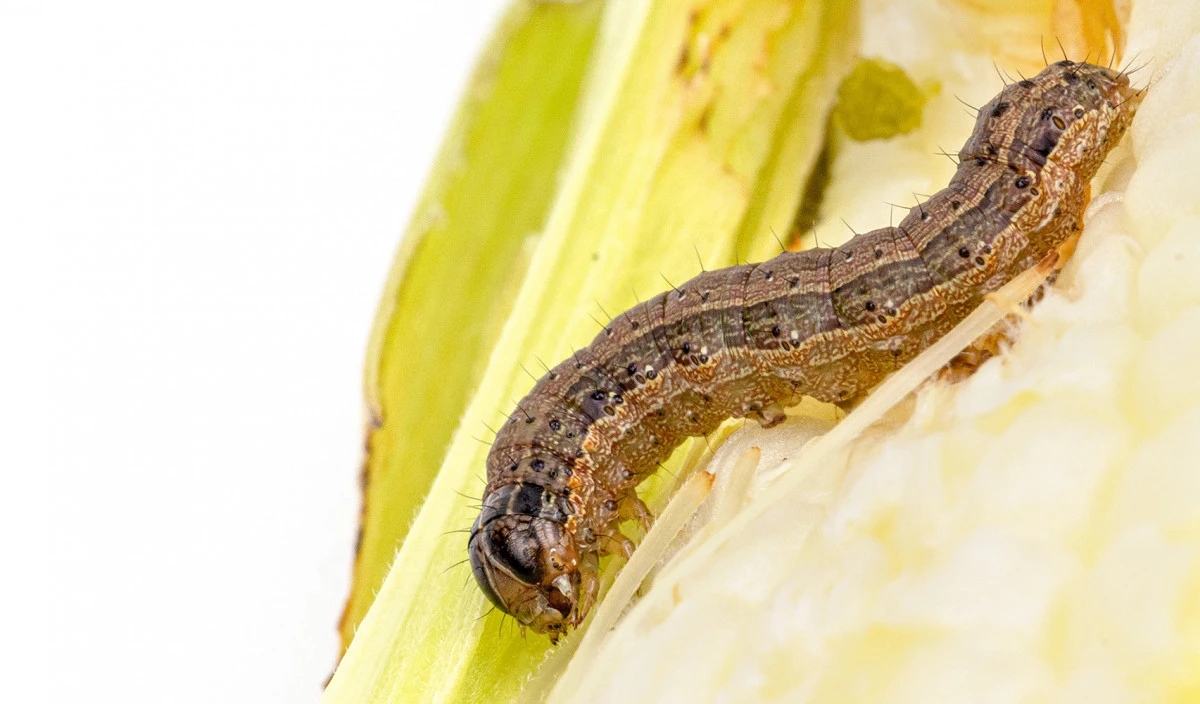
The armyworm is an invasive pest species in New Zealand. They can decimate garden lawns and vegetable patches in the space of a few days, so when signs of them appear, you need to act quickly.
 Identify the problem
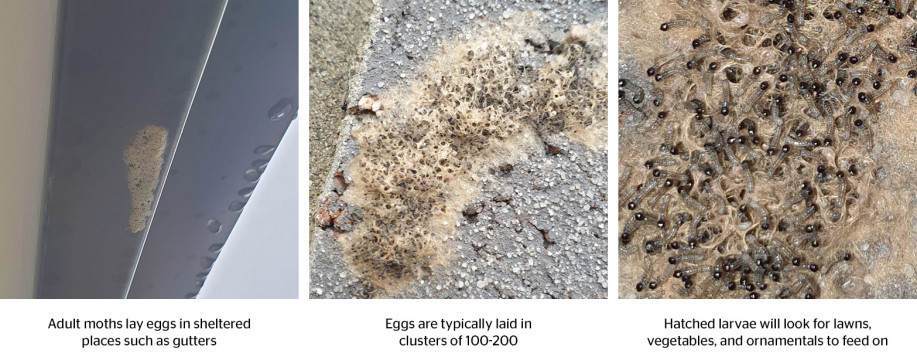
 Armyworm moths are most likely to be seen at dusk, and do very little damage to gardens. You can treat your garden, with Organic Insect Control to help treat moths before they breed. Armyworms also cause significant damage in the agricultural sector for grass and grain crops. Adult moths lay eggs typically in sheltered places like the underside of leaves, soffits/eaves, gutters, high up on walls of buildings, the underside of washing lines. Eggs are laid in clusters of 100 to 200 and appear like tiny pearls covered in a fluffy substance. Spraying pesticides on the eggs will have no impact. If you spot eggs, it is best to scrape them away and wash them down the drain, as well as wash the area with soapy water.
Once the eggs hatch, the larvae will drop to the ground and go in search of your lawn, vegetables, and ornamentals to feed on. They can cause significant damage in only a few short days, so it’s best to treat your lawns as soon as possible with LawnPro Protect. Damage to your lawn can be seen in the format of large brown dead patches, where armyworms have fed on the new shoots and leaf foliage. These worms chew the stems of young plants like vegetables and ornamentals, at night and hide in the soil around the base of the attacked plant during the day. They climb up stems and chew large holes in the leaves of a wide variety of garden plants. For fruit and vegetables, we recommend spraying with Organic Insect Control (naturally occurring pyrethrum), which is best applied late in the day. It has a 1 day withholding period when applied to fruit or vegetables. On non-crop plants, a systemic insecticide like PLANThealth Spectrum can be used.
Humid and warmer-than-normal temperatures create the ideal breeding conditions for armyworms and can lead to mass outbreaks, so be sure to be on the look out for signs of breeding activity.
 How to solve the problem
 To get rid of armyworm use one of these options:
 Did you know?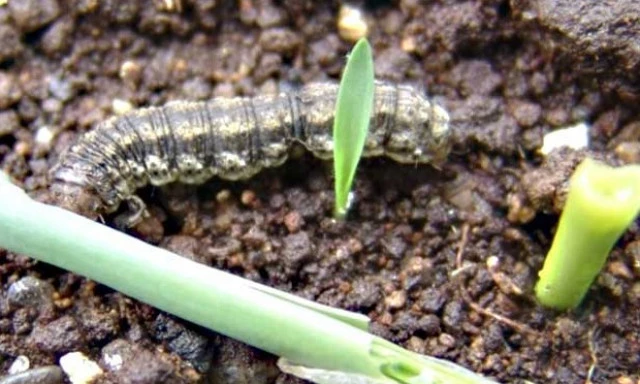
Greasy cutworm eat and damage a wide variety of host plants such as tomatoes, beans, brassicas, corn and grass.
Learn More
Over-watering of plants can cause reduction of oxygen reaching plant roots. If this continues for too long it ca…
Learn More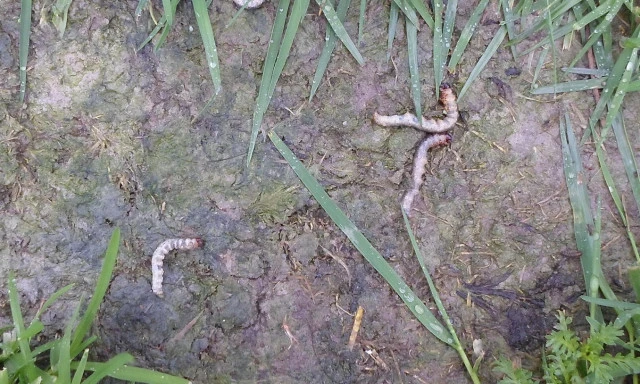
The porina caterpillar causes similar damage to lawn grass and pastures as grass grub. However it tends to feed …
Learn More
Fast–acting pyrethrum insecticide that controls a wide range of insects in gardens.
 My Favourites (
 My Kiwicare
  Email
Email  Print
Print